

Medical Review by Megan Bradway, NP
What to know about exercise for menopause and perimenopause
- During perimenopause and menopause, estrogen and other hormone levels change and decline. Aerobic exercise and strength training can support your health. They may also ease some symptoms.
- Choose activities and goals you can maintain over time. Health experts recommend at least 150 minutes of moderate exercise and 2 strength sessions each week. If necessary, start slow and increase time and intensity gradually.
- Perimenopause and menopause are part of natural aging. Medication and exercise do not “treat” them. Instead, some medications can ease the symptoms of lower estrogen.
Does it feel harder to fit a workout into your life right now? Or are you making the time, but not feeling the same results as you did five or ten years ago?
If your workout struggles are because of perimenopause or menopause, Lemonaid can help.
Perimenopause is the transition leading to menopause. Menopause is when you haven’t had a period for 12 months in a row. Together, these stages can happen over years or decades.
Hormone therapy (HT) medications can greatly improve quality of life during this time. Exercise may also ease symptoms and lower related health risks.
In this article, we share workouts, tips for consistency, and how to get help from health experts.
To learn more about perimenopause, menopause, and HT treatments, read this Lemonaid blog post.
Why exercise for perimenopause and menopause?
During perimenopause and menopause, estrogen and progesterone levels start to fall. This can change periods, mood, sleep, and vaginal or urinary health. Fatigue and body pain may also make it harder to stay active. As estrogen levels decline, the risk for certain health conditions rises.
Exercise won’t “treat” perimenopause or menopause symptoms. But it can boost health, strength, mobility, and flexibility during this time and beyond.
Muscles and everyday strength
Lower estrogen can affect the amount of muscle, fat, bone, and water in your body. During this time, muscle often decreases while fat increases.
Want to have the strength to travel, play with kids, or do your favorite activities? Start strength training to maintain or build muscle and strength.
Bone health
Your bones and joints help you stand and move. Bone health starts to naturally decrease around age 50. Low estrogen can also cause bone loss.
That makes certain exercises especially important during perimenopause and menopause.
Heart and metabolic health
Estrogen protects the heart. As hormone levels fall, cholesterol, blood pressure, blood sugar, and some fats often rise.
After menopause, 90% of women are at higher risk for heart disease. That means you may have high cholesterol or high blood pressure that you didn’t have when you were younger.
150 minutes of moderate-intensity physical activity per week lowers your risk for such diseases. Often, working out beyond this reduces risk even more!
Sleep, mood, and brain health
Many factors contribute to poor sleep, brain fog, anxiety, and depression. Lower estrogen is one of them. Exercise won’t “cure” these problems. But it may help reduce anxiety and improve mood, energy, and more.
Exercise to include in your perimenopause and menopause workouts
Aim for at least 150 minutes of moderate activity plus 2 days of strength training per week. Include these different kinds of exercise for the most benefit.
Strength training
Strength training improves strength and bone density. It can also support the pelvic floor, boost metabolism, and improve heart health. For the best results, work all major muscle groups at least two times per week.
When strength training for menopause, try:
- Free weights or weight machines
- Resistance bands
- Core exercises (like squats, leg presses, seated rows, and back extensions)
- Pilates—especially sessions on reformer machines
Aerobic activity
Adults should target 150 minutes of moderate activity or 75 minutes of vigorous activity each week. Because bodies often lose flexibility with age, warm up fully before jumping into exercise.
If you have pain or joint issues, try low-impact exercises such as:
- Walking or hiking
- Swimming
- Dancing
- Rowing
- Elliptical machines
For higher-impact exercise, try:
- Running
- Jumping rope
- Kickboxing
- Sports like tennis and basketball
Weight-bearing movement
Weight-bearing exercises force bones to work harder, which helps them stay strong. Some low-impact exercises involve weight-bearing movements. Others do not.
To make your exercise as efficient as possible, try these weight-bearing aerobic exercises:
- Brisk walking (3–4 miles per hour)
- Jogging
- Running
- Racket sports (tennis, pickleball, ping pong, etc.)
- Stair climbing
- Dancing
Balance and mobility
Many balance exercises improve strength, mobility, and flexibility. Altogether, these increase your stability and reduce your risk of falls.
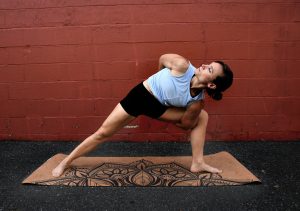
Yoga and tai chi can additionally improve pelvic floor strength. They may also reduce stress, promote good mood, and support sleep.
Balance exercises should not replace cardio or strength training. Instead, add them to workouts you already do. Start with one or two sets of each movement. Then add new movements or more repetitions as you feel more confident.
Try these straightforward balance exercises:
- Balance on one leg for 30+ seconds, then switch to the other leg
- Raise one leg to the side and back in a fluid, controlled motion
- Do lunges, focusing on maintaining balance and motor control
- Rise from a chair using only your core, not your arms
How do you know if you’re doing light, moderate, or vigorous exercise?
Your heart rate can show how hard you’re exercising. If it’s not high enough, you may not gain the benefits you want. First, find the target heart rate for your age. Then, use a fitness tracker or gym equipment to track it during exercise.
You can also try the talk test:
- If you can talk but not sing during exercise, you’re probably doing moderate activity.
- If you can’t say more than a few words without stopping to take a deep breath, you’re doing vigorous activity.
Can exercise help with hot flashes?
Exercise supports general health and eases some perimenopause and menopause symptoms. But there is not enough evidence to suggest it helps hot flashes.
Some studies found that strength exercises decrease hot flashes for some women. Other studies did not find that connection. Some even found exercise made hot flashes worse.
If you experience distracting hot flashes and night sweats, don’t exercise harder to ease them. Instead, talk to a clinician about your treatment options.
Create a realistic weekly routine
For lifelong health, create an exercise habit that fits your interests and schedule. A balanced HT exercise plan includes cardio, strength, weight-bearing, and balance exercises.
Aim for at least 150 minutes of cardio per week plus at least 2 strength sessions (15-20 minutes each) per week.
- Monday and Wednesday: Take a brisk 30-minute walk, then do a full-body strength training session. Don’t forget to stretch and add a few balance exercises.
- Tuesday, Thursday, and Friday: Do at least 30 minutes of another moderate aerobic activity, such as taking a dance or kickboxing class.
- Weekend: Rest, do physical activity such as gardening or yoga, and stretch.
Other tips to encourage HT exercise
- Start where you are. If you’ve never exercised—or it’s been a while—start gently. Do short sessions. As your body gets used to the movement, make them longer or more intense. Some activity is better than none!
- Make it fun. You’re more likely to stick with a routine you enjoy. Experiment with the different places you can exercise. Join a gym, check out your community center, or try a fitness app.
- Consider more than the scale. Exercise can support a healthy weight. But remember other goals and motivations. Observe your sleep, mood, strength, balance, and mobility improvements. Congratulate yourself for sticking with your exercise schedule!
When to get help from a clinician
Most people don’t need to see a medical provider before starting to exercise. But talk to a clinician if you have a chronic health condition. They may suggest specific activities that are safe for your condition.
They can also help you understand hormone therapy medications that can ease your symptoms.
Remember, any exercise is better than none. Consistency is more important than perfection. Exercise can boost your energy, mood, confidence, and more.
And if you want support navigating perimenopause or menopause? Lemonaid Health can help!
Take an online consultation to connect with a licensed clinician. They’ll review your symptoms, health history, treatment risks, and possible next steps. If you qualify, they’ll personalize your treatment plan and help you monitor your progress.