
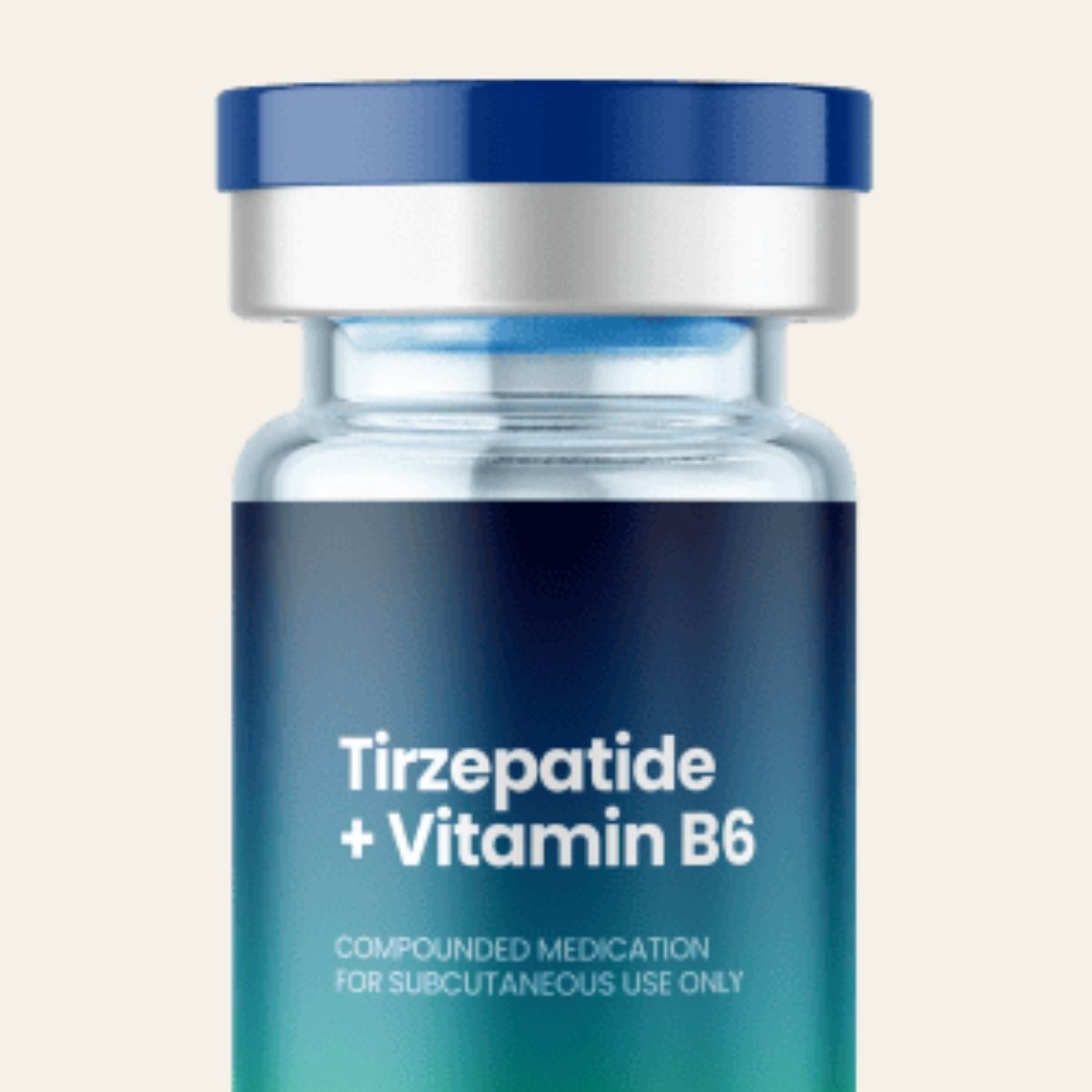
Compounded Tirzepatide
Starts at $189/mo*
- Dual GIP/GLP-1
- Cash pay only
- Home delivery
Lose up to 20% of your starting body weight without sacrificing muscle mass or bone health.* With Lemonaid Health + F45 Training, virtual fitness and nutrition content support prescription treatment, empowering your unique path to better health.
*GLP-1 user average weight loss based on American Heart Association data. F45 Training recommends that you consult your healthcare provider before starting and during any weight loss program. Treatment with Lemonaid Health requires an online consultation with a medical provider to determine if a prescription is appropriate

How it works

01 — Consultation
Consult with an online weight loss doctor via chat or video to see if prescription medication can support your goals.

02 — Medication
If approved, pick up prescription weight loss medication at your local pharmacy or get it delivered to your door.

03 — Support
Use Lemonaid Health's support tools and check in with a licensed provider any time you have questions.

04 — Stay Active
Access additional benefits and resources designed to support your goals and help you stay active along the way.

BEYOND TREATMENT
F45 Training combines innovative functional group workouts with a motivating group mentality—so you achieve results no matter where you are in your fitness journey. As a member of our medical weight loss program, you can unlock the loaded F45 Training app and utilize their results-driven tools wherever and whenever the motivation strikes you.
 Workout wherever Watch or cast workouts from your phone. Get tailored meal plans Dig into recipes and menus curated by world-class dietitians. Take it social Want a group workout? You'll also get exclusive in-studio membership upgrade offers!
 Your membership
Get ongoing clinical care, support, and tools designed to help you make progress.
Prescription options
Starts at $189/mo*
Starts at $129/mo*
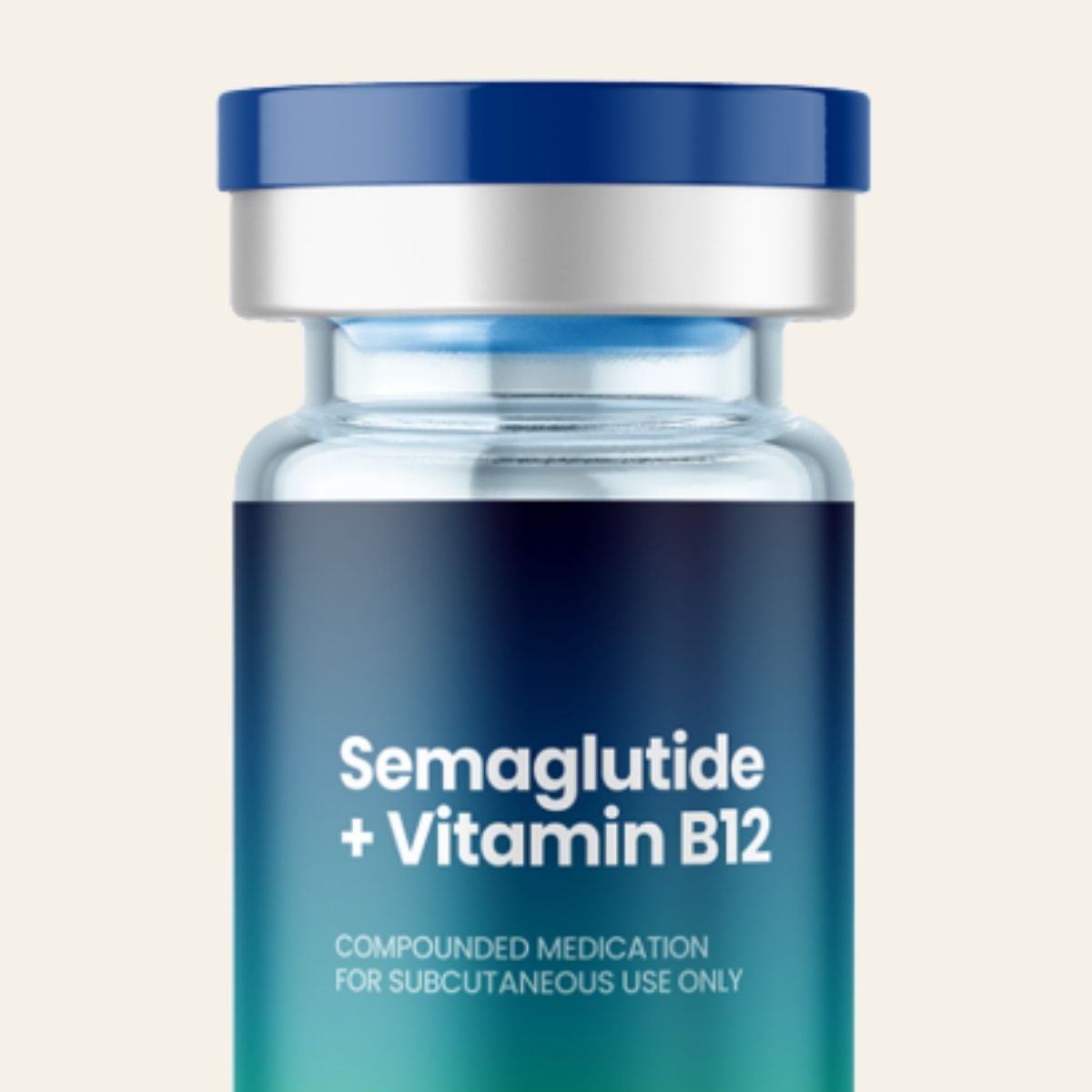
Starts at $209/mo*
Starts at $129/mo*
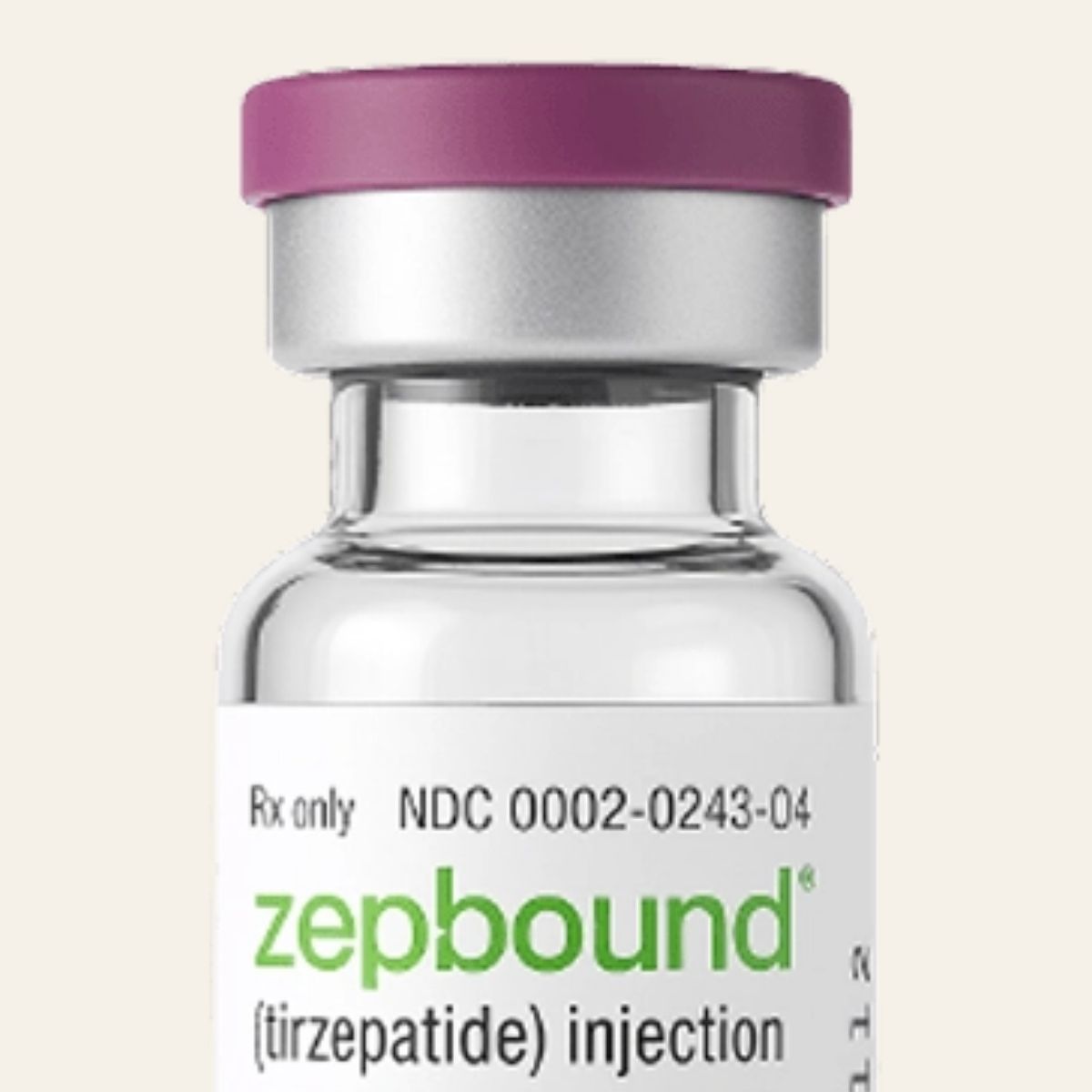
Starts at $299/mo*
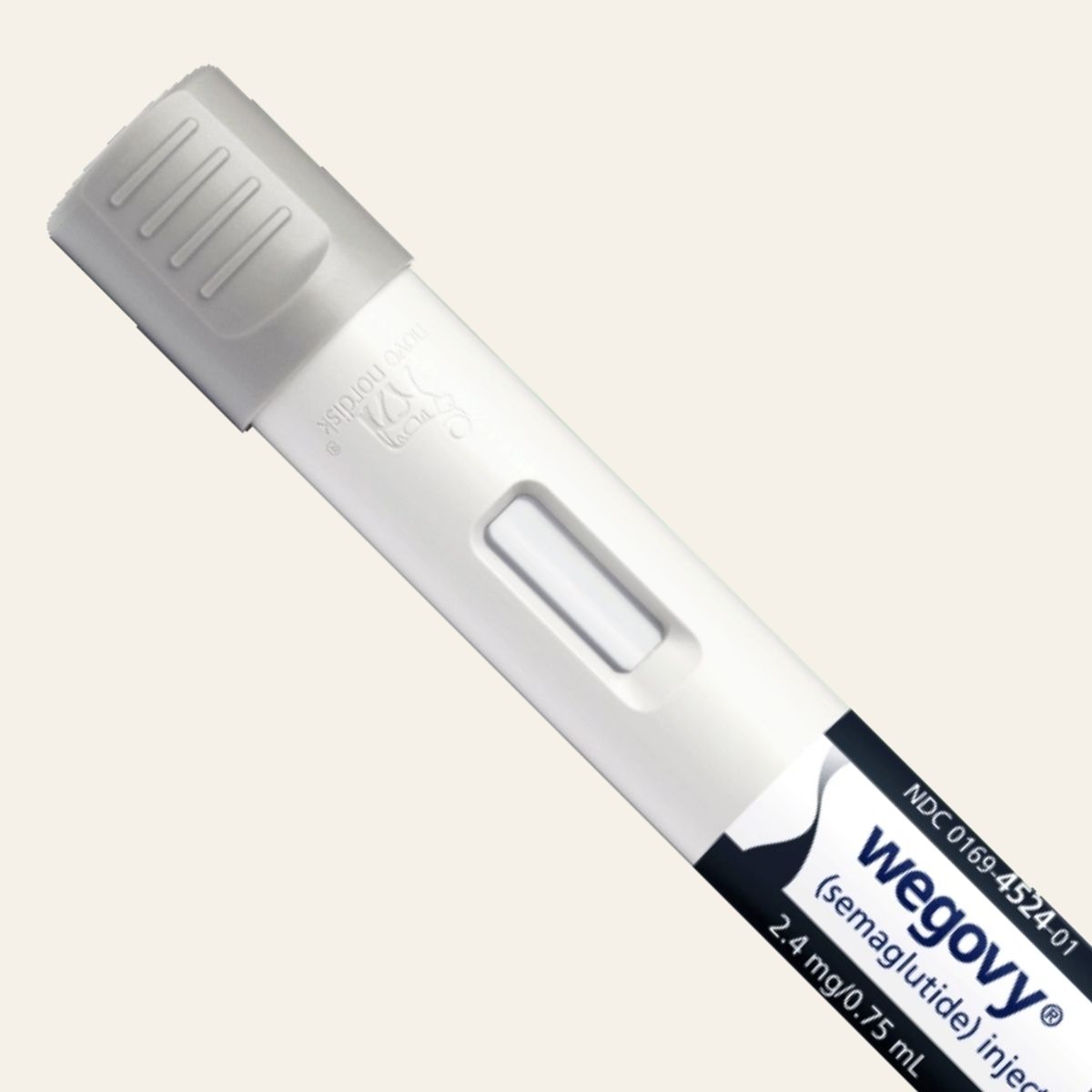
$349/mo* with cash pay; copay varies with insurance approval
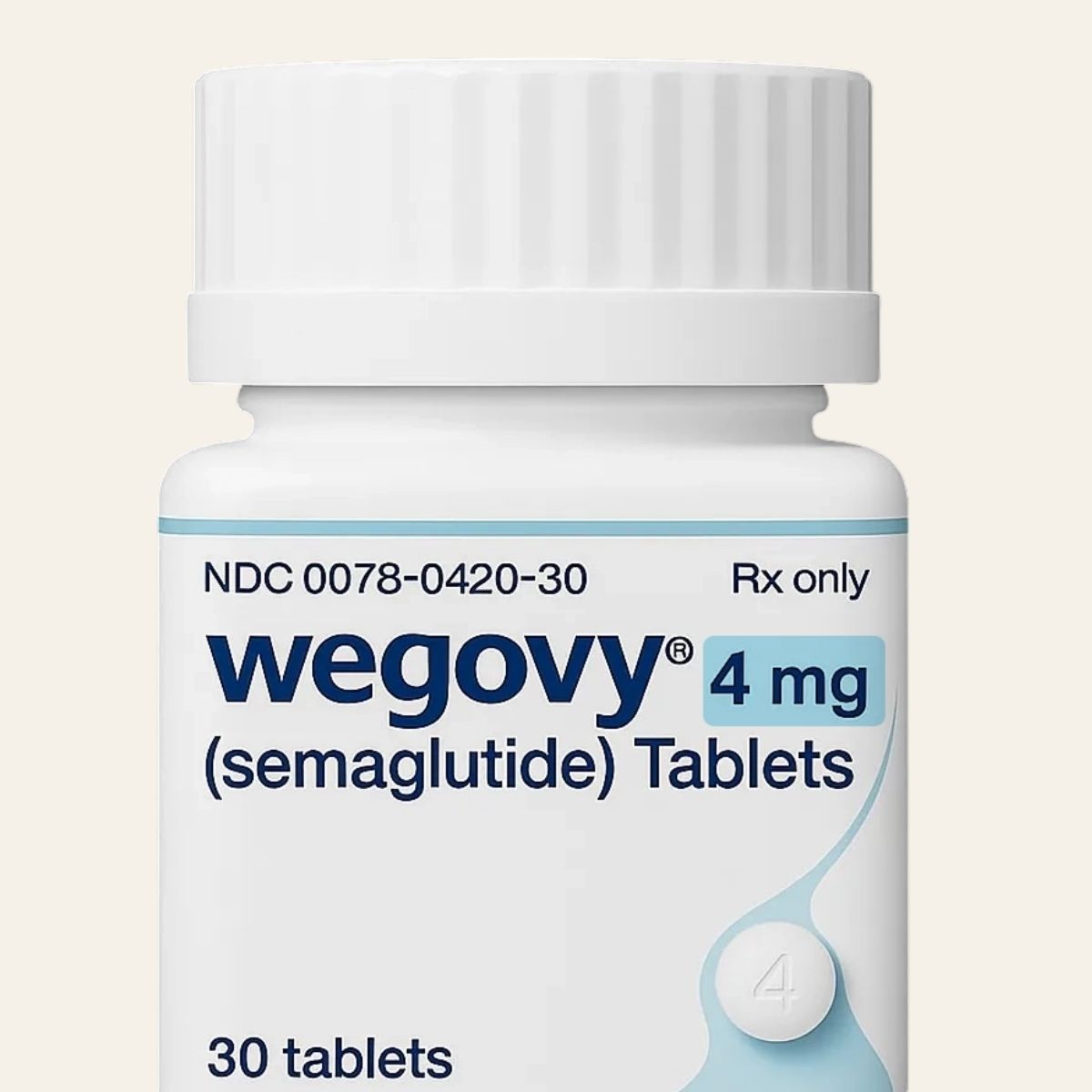
$149/mo* with cash pay; as low as $25 with insurance approval
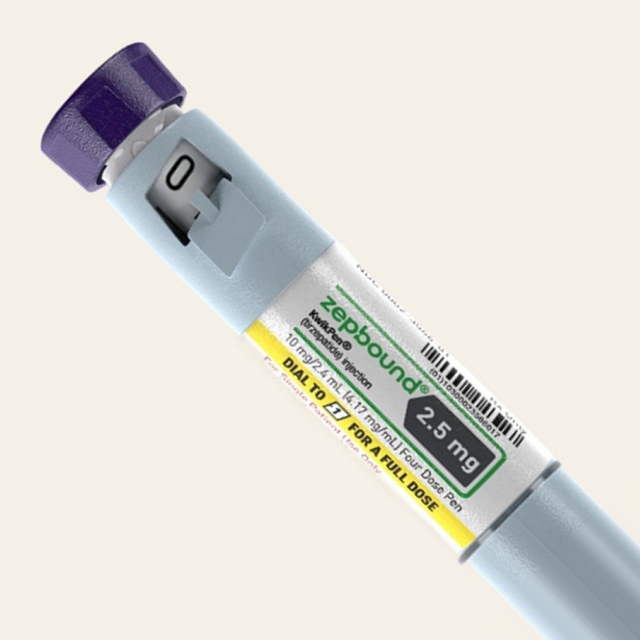
Starts at $299/mo*
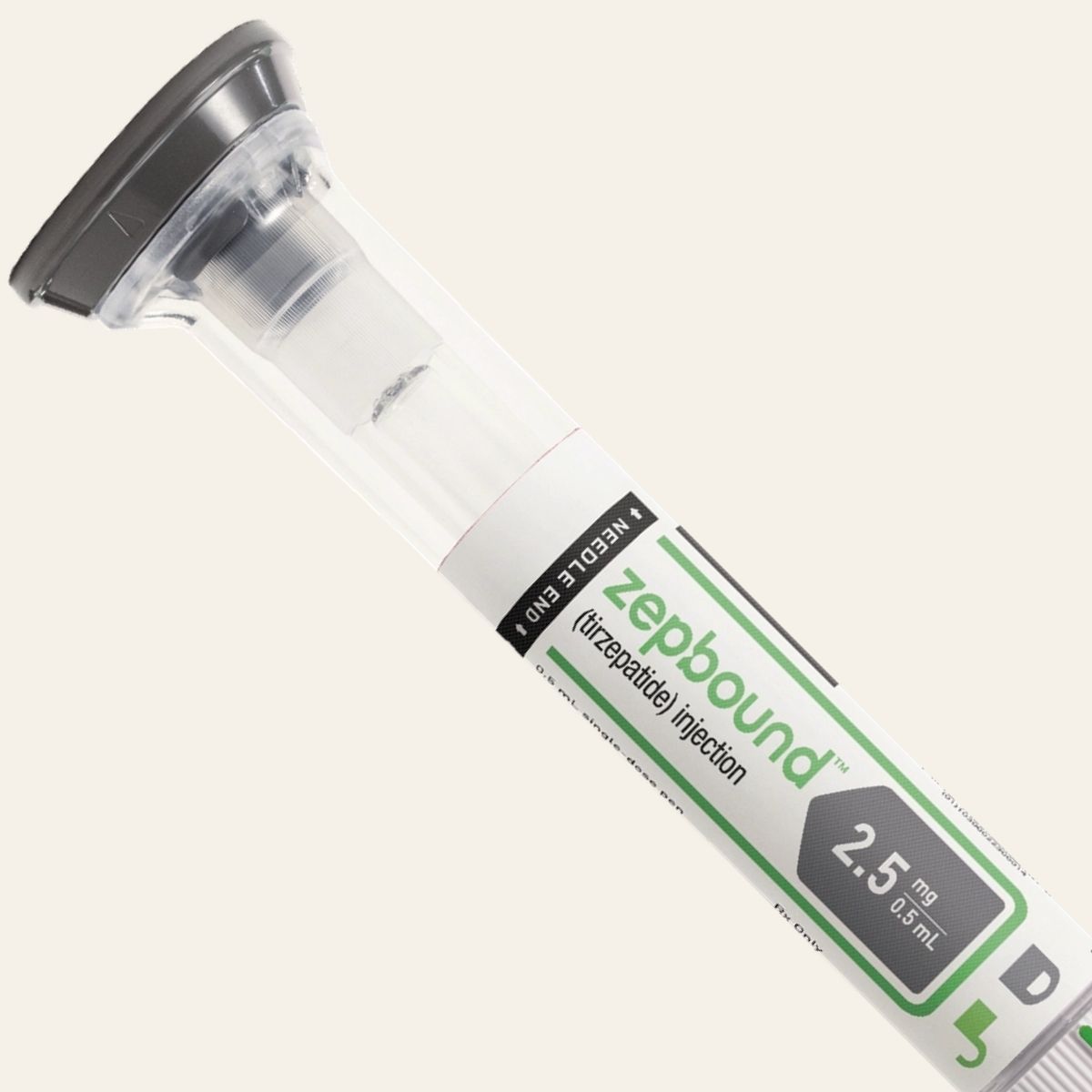
Price subject to insurance approval
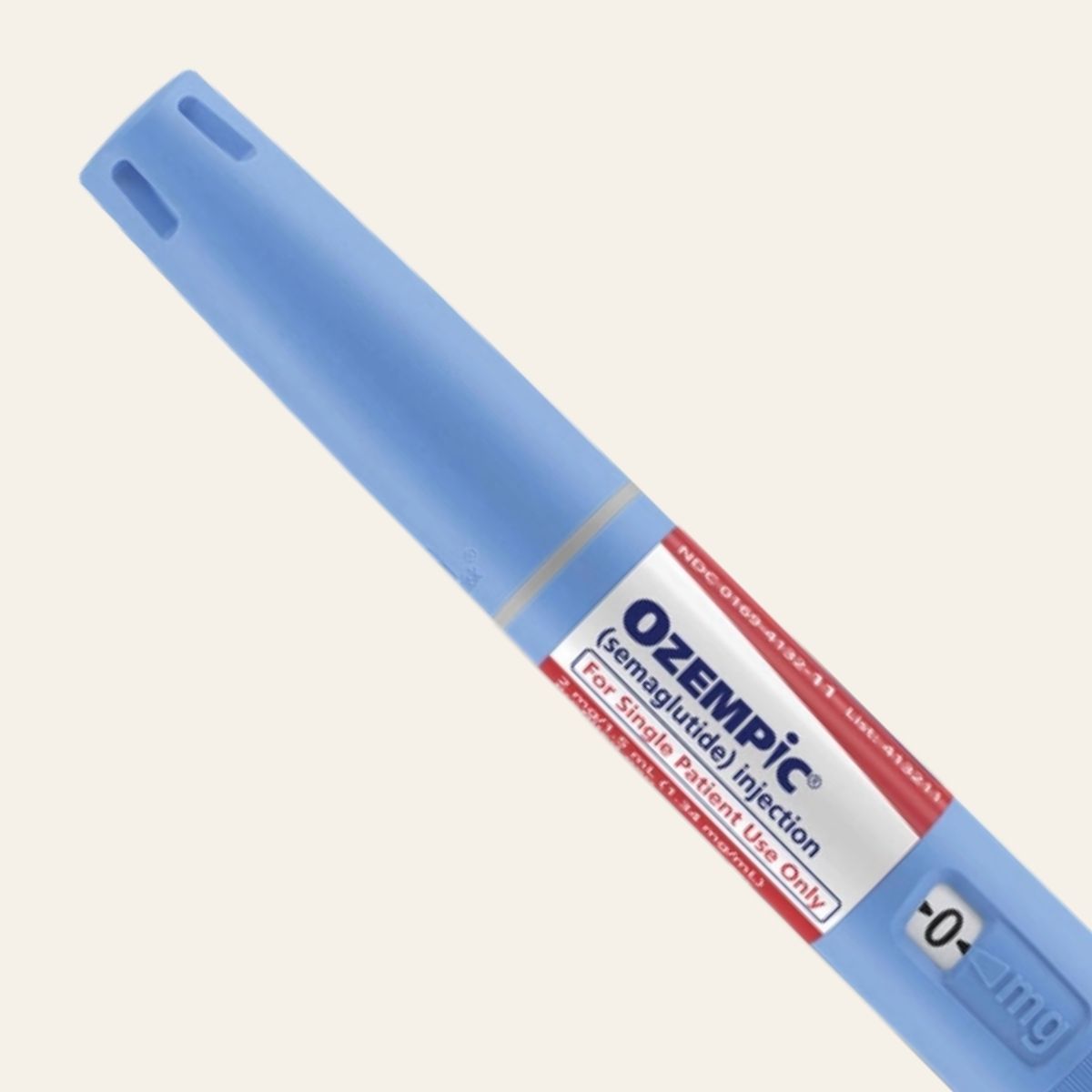
Price subject to insurance approval
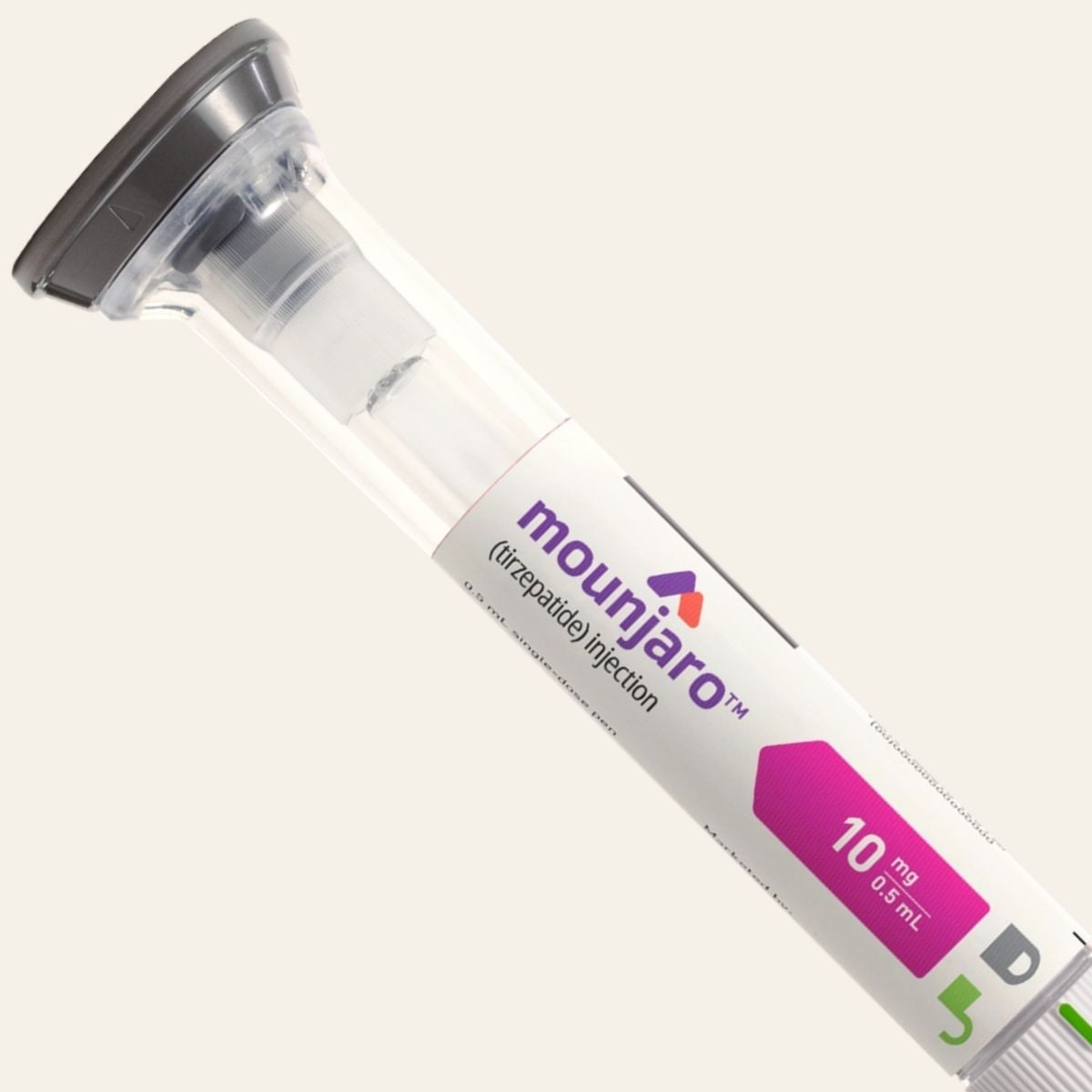
Price subject to insurance approval
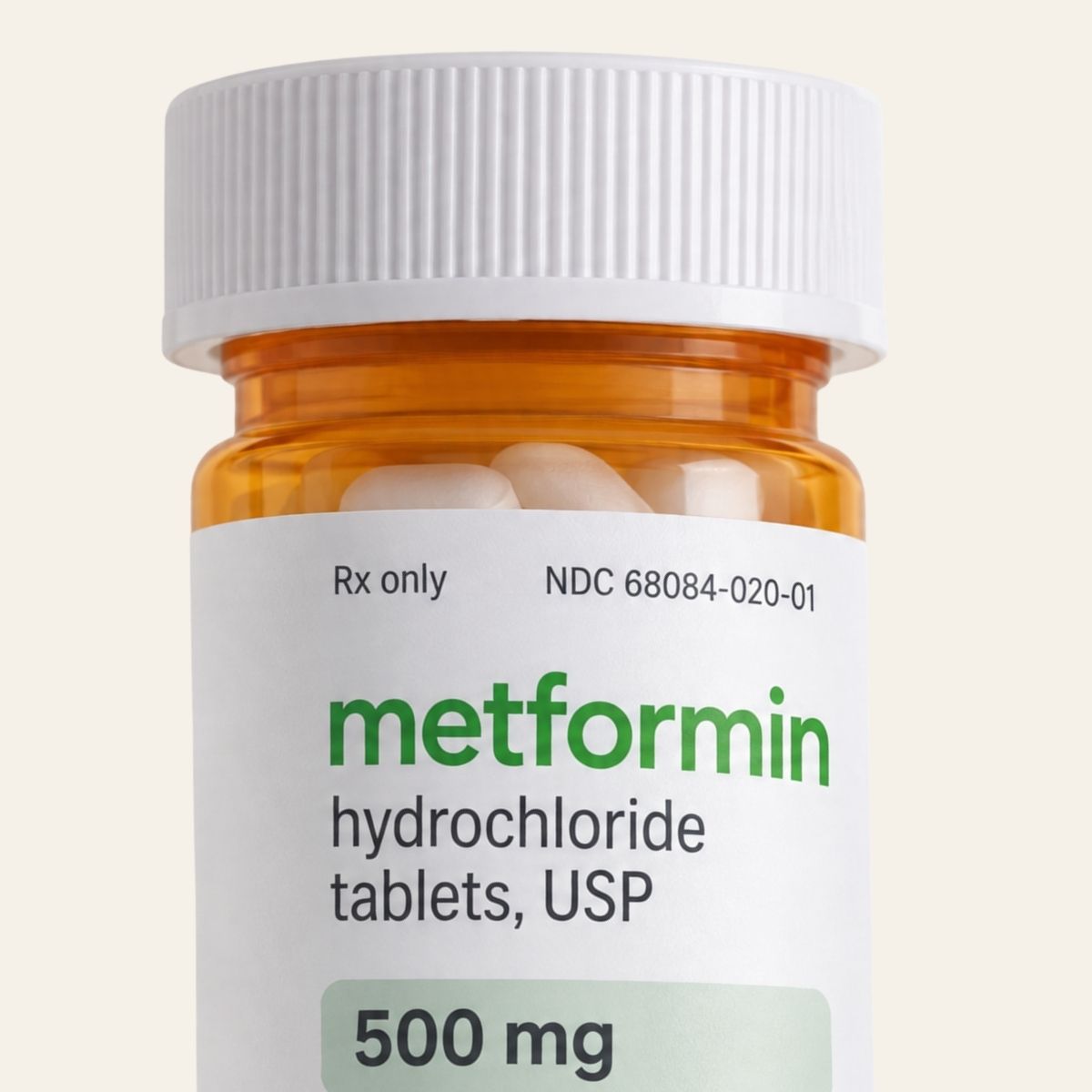
$30/mo
*Medication costs are separate and a separate charge from weight loss membership costs.
¹Insurance coverage may be available for patients with a BMI over 30, or over 27 with a qualifying health condition. Prices may vary based on insurance coverage and pharmacy.
BETTER TOGETHER

Members unlock F45 Training's innovative, results-driven group workouts via their F45 mobile app, which features at-home exercise content, curated nutrition tools and empowering wellness solutions.
Learn more at F45 Training
Start a streamlined online consultation to get effective at-home prescription GLP-1/GIP treatment. Feel confident in your care with unlimited clinical support from licensed providers and regular check-ins from the Lemonaid Health team.
Start a consultationQuestions?
GLP-1 receptor agonist weight loss medications are prescription weight loss treatments for adults with a BMI of 27 or above. (Some people with a BMI of 25 or above and a related health condition may qualify for some forms of GLP-1 medications.) Some people shouldn’t take these medications even if they have this BMI. Your provider will let you know if one of these medical weight loss solutions suits your situation.
The Shed It consultation fee includes:
The Shed It consultation fee does not include medication costs, blood work costs, or fitness partner memberships or class fees.
Medication costs are determined by the type, brand/form and dosage prescribed each month. Depending on the medication, you may pay your prescription copay at your local pharmacy, a medication fee to a fulfillment pharmacy, or a medication fee to Lemonaid Health.
Required blood work may be paid for with insurance coverage or out-of-pocket.
If you choose to sign up for a fitness membership, gym, studio or live classes and you have an HSA/FSA, the Letter of Medical Necessity we provide (at no additional cost) can unlock your pre-tax funds, so you’ll save on those costs!
Telehealth laws differ by state, so patients in some states are required to have a live phone or video consult with a provider to adhere to their state laws. Other patients may have to do a live consult if a provider needs clarification about answers submitted in the chat consultation to ensure their treatment option is accurate, safe and effective.
Patients can also request a live consult with a provider if they feel they would get extra peace of mind from a bit of face-to-face time.
Patients can also request a provider callback to discuss questions or concerns throughout the program—we’ve included such check-ins in the ongoing care cost!
If prescribed a compounded form of weight loss medication, it will be shipped from a compounding pharmacy via express shipping. You’ll receive shipping information (including a tracking number) and instructions on how to store your medication.
Some medications are not mass-produced and shipped to local pharmacies—so yours won’t have them in supply. And some can only be paid for out-of-pocket directly to the manufacturing pharmacy. For patients prescribed those medications, Lemonaid Health will send the prescription to the fulfilling pharmacy, and that pharmacy will then ship the prescription to the patient’s door!
Some studies show that rapid weight loss can trigger muscle loss. Others suggest it can cause bones to become less dense. So we encourage our patients to prioritize regular exercise while taking prescription weight loss treatment—especially resistance or weight training.
We understand that fitness costs can add up. So we offer Letters of Medical Necessity with this program to help patients seamlessly unlock their Health Savings Account (HSA) or Flexible Spending Account (FSA), qualifying their fitness costs so they can save on fitness fees with their pre-tax funds.
If you have a Health Savings Account (HSA) or Flexible Spending Account (FSA), you can file the Letter of Medical Necessity (LMN) we provide with this program with any new fitness receipts and get those costs reimbursed from your HSA/FSA funds.
Our program materials include tips on how to save on fitness and nutrition expenses, too.
As a Lemonaid Health patient, we want you to make an informed decision about our program for prescription weight loss treatment by reading this Weight Loss Consumer Bill of Rights.
If approved for prescription weight loss treatment, your monthly price will include a Shed It consultation fee and a medication fee.
The Shed It consultation fee is $145 per month and includes your clinical essentials—consultations, unlimited support check-ins, support tools and more.
The medication fee is determined by the medication type, brand (if applicable) and dosage you’re prescribed each month. If prescribed a brand-name medication, you’ll have the option to pay with insurance coverage or out-of-pocket, which will also affect your cost.
The Shed It membership price is $145 per month. Depending on the medication prescribed, your medication cost may increase if your medication dosage increases.
You will be billed in two parts. The $145 monthly fee will be charged to your account. If prescribed a compounded medication, your medication fee will be calculated when your provider confirms your medication type/brand and dosage for the month. You must pay the balance of these fees before Lemonaid Health can release your prescription for fulfillment.
If prescribed a brand-name medication, your provider will send the prescription to a pharmacy, and you will pay the fee there directly.
If your provider prescribes a brand-name medication, you may use insurance coverage to pay for it at your chosen pharmacy.
GLP-1 medications are technically called GLP-1 receptor agonist medications. That’s because they mimic the glucagon-like peptide-1 (GLP-1) hormone naturally made by the body.
GLP-1 slows digestion, so food takes longer to leave your stomach. This can help you feel fuller longer, controlling appetite and reducing calorie consumption. It also encourages the production of insulin, which helps lower and control blood sugar levels. The combination of a reduced appetite and lowered blood sugar levels can help some people eat less and lose weight.
GLP-1 receptor agonist medications include:
Wegovy®* and Ozempic®* (Semaglutide)
Zepound®* and Mounjaro®* (Tirzepatide)
Saxenda®* and Victoza®* (Liraglutide)
*Wegovy®, Ozempic®, Zepbound®, Mounjaro®, Saxenda® and Victoza® are registered trademarks of their respective owners. Our use of these names is for informational purposes only and does not imply any affiliation, endorsement or approval by the trademark holders.
Total weight loss differs for everyone. But most people lose between 5% to 20% of their starting body weight in 1 year while taking injectable GLP-1 medications. That means that if you weigh 200 lb, you could lose between 10 and 40 pounds.
Your provider will work with you to choose the medication that’s best for you and adjust the dosage for optimal results.
Like all medications, there are some risks to taking GLP-1 weight loss medications—and it’s important to talk to your doctor about the risks and any health conditions you have before starting any medical weight loss treatment.
This is not a complete list. But serious issues of GLP-1 treatment can include pancreatitis (inflammation of the pancreas) and thyroid tumors. Some people experience low blood sugar—especially if they take other diabetes medications.
People who are pregnant, breastfeeding or may become pregnant should talk to their provider before starting GLP-1 treatment. Clinical trials did not include pregnant patients and therefore have not confirmed that GLP-1 medications are safe to use during pregnancy.
A compounded medicine is custom-made by pharmacists. It might involve mixing different ingredients to create a specific medication dose or form (like a liquid or cream) when standard medications aren't suitable or if the correct dose isn't available. Compounded medications can also relieve drug shortages when brand-name medications aren’t available so that patients can get the treatments they need.
It’s important to note that compounded medications are not FDA-approved. Learn more at the FDA.
While the medications they make are not FDA-approved, licensed compounding pharmacies follow strict rules to make sure these medicines are safe and work well, testing their products rigorously to guarantee their potency, safety and stability.
These options for medical weight loss can be controversial because the brand-name drugs are often expensive when paid out-of-pocket (since many health insurance plans do not cover them). As they are taken long-term to manage a chronic condition (like cholesterol medicine or blood pressure pills), those costs add up. Also, most people tend to regain weight if they stop taking them.
These drugs can also add to the stigma around weight and health. After all, it’s possible to be healthy even with a higher BMI, and losing weight does not automatically improve health. It's important to talk openly about these concerns with your provider.
Sometimes, pharmacies package injectable weight loss medications in vials to keep material costs down. This also helps patients adjust their dosage—which additionally reduces medication waste. These are important because providers adjust medication dosages over time to help patients get the best results while minimizing the risk of side effects.
Store your injectable weight loss medication in the refrigerator (36°-46°F) to protect it from light. Keep it away from heat and direct sunlight, and never freeze it. Check with your provider about how to store your GLP-1 medicine since different brands can have different storage instructions.
GLP-1 medications are currently prescribed as a treatment for chronic conditions and are intended to be taken for life. If you stop taking this treatment, you could regain weight. Your provider will help you decide how long you should stay on your medication based on how well it works for you. Make sure to follow your provider's advice and check in with them regularly.
In clinical studies, many participants who stopped taking GLP-1 medications regained all or most of the weight they had lost. Researchers think this is because high BMI (obesity) is a chronic condition with physiological and genetic components at play. So, if you stop taking the medicine that helps your body treat those components, the symptoms will return.
Common side effects of injectable GLP-1 medications include nausea, vomiting, diarrhea, bloating, constipation and stomach pain. You might also feel dizzy or tired. These side effects usually improve as your body gets used to the medication. Most people also start on a very low dose and slowly increase to help their bodies adjust to the medicine. If you have any concerns about side effects, talk to your doctor.
People can experience side effects differently. Starting at a low dose and slowly increasing the dosage can help minimize side effects. If your side effects are severe or don’t get better with time, ask your provider for advice.
While most people only experience mild side effects during medical weight loss treatment, it’s possible to experience more severe side effects. Get help right away if you notice any of the following:
Using GLP-1 medications may affect bone health. While more research is needed, the changes in bones are probably because of the rapid weight loss, not the medicine itself. That’s because bones can become less dense as you lose weight. This could increase the risk of bone fractures, especially in people with a history of fractures or other bone issues. It's essential to discuss any concerns about bone health with your doctor before starting prescription weight loss treatment, especially if you have any existing bone conditions.
An exercise program that includes resistance training (including weights or body resistance) can help keep your bones strong during medical weight loss. Diets rich in protein and calcium can also protect bones
Some studies suggest that people who lose weight on prescription weight loss drugs will also lose muscle mass because some of their weight loss comes from lean mass loss. If they regain weight after stopping treatment, the weight they regain is from fat alone. That leads to an overall loss of muscle, which can also cause a loss of strength.
You can prevent this by combining prescription weight loss treatments with resistance training (like lifting weights) and eating quality protein sources.
Take the first step toward your weight loss goals with care and support built around you.